AGP Executive Report
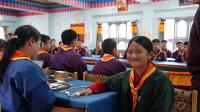
Last update: 10 hours agoLead Prevention: Bhutan is shifting from detecting childhood lead exposure to preventing it, after a national survey found unsafe blood lead levels in 76% of young children. Health officials and UNICEF are working with industries on safer workplaces and homes. Child Health: A new screening drive will check 10,000 children, monks and nuns for anaemia across four districts, using fingertip sensors and referrals for follow-up. Family Mental Health: Parents of children in intensive care at Thimphu’s Mother and Child Hospital can now access weekly counselling and group support. Women’s Health: Many women in Bhutan enter menopause with little information; doctors say symptoms such as hot flashes and poor sleep can start earlier than expected. TB: Young adults account for more than half of Bhutan’s TB cases, highlighting the need for awareness and timely diagnosis. Heat Preparedness: Bhutan has joined India, Nepal and Bangladesh in coordinating plans to protect vulnerable people as extreme heat risks rise.
Note: AI summary from news headlines; neutral sources weighted more to help reduce bias in the result. Feedback is welcome. Please let us know if you have any comments or suggestions about the AGP Executive Report.




 Perspectify News