AGP Executive Report
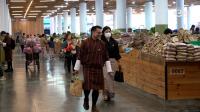
Last update: 9 hours agoCancer Care: Bhutan Cancer Society has joined the Global Colon Cancer Association’s new ostomy programme, which aims to improve access to essential supplies and strengthen advocacy for people living with an ostomies. Food and Nutrition: A Bhutan market test found Nu 1,000 bought a limited range of vegetables, while health officials warn that changing diets are contributing to child malnutrition’s triple burden: undernutrition, nutrient deficiencies and rising overweight. Alcohol Use: A guide to drinking in Bhutan highlights the role of alcohol in social life alongside the public-health risks of harmful consumption. Mental Health: The PEMA Centre has opened as Bhutan’s national mental-health hub, bringing outpatient, inpatient and day-care services together and increasing psychiatric beds from 20 to 36. Everyday Health: A Thimphu student became ill after relying on instant noodles for a week, underscoring concerns about replacing balanced meals with processed foods. Kidney Disease: A patient’s account of years of dialysis highlights the physical and financial strain of chronic kidney disease and the challenge of finding a transplant donor.
Note: AI summary from news headlines; neutral sources weighted more to help reduce bias in the result. Feedback is welcome. Please let us know if you have any comments or suggestions about the AGP Executive Report.

 Perspectify News